Every successful pond starts with a solid foundation, and that foundation is the pond liner. No matter how beautiful your pond design may be, without a quality pond liner, the entire structure is at risk. Leaks, water loss, and structural damage can quickly turn a dream pond into a constant source of frustration. That’s why choosing the right liner from the start is one of the most important decisions any pond owner can make.
Quality pond liners create a watertight barrier that holds water securely while protecting the surrounding soil and pond structure. Whether you’re building a small wildlife pond, a decorative garden feature, or a large koi pond, the liner plays a critical role in long-term performance. A high-quality liner not only prevents leaks but also supports a healthy environment for fish, plants, and beneficial bacteria.
Modern pond liners are designed to be flexible, durable, and safe for aquatic life. When installed correctly, a good liner can last for decades, providing peace of mind and reducing the need for costly repairs. In contrast, poor-quality liners often fail prematurely, leading to water loss, damaged landscaping, and repeated maintenance issues.
What Are Pond Liners and Why Quality Matters
The Role of a Pond Liner in Pond Construction
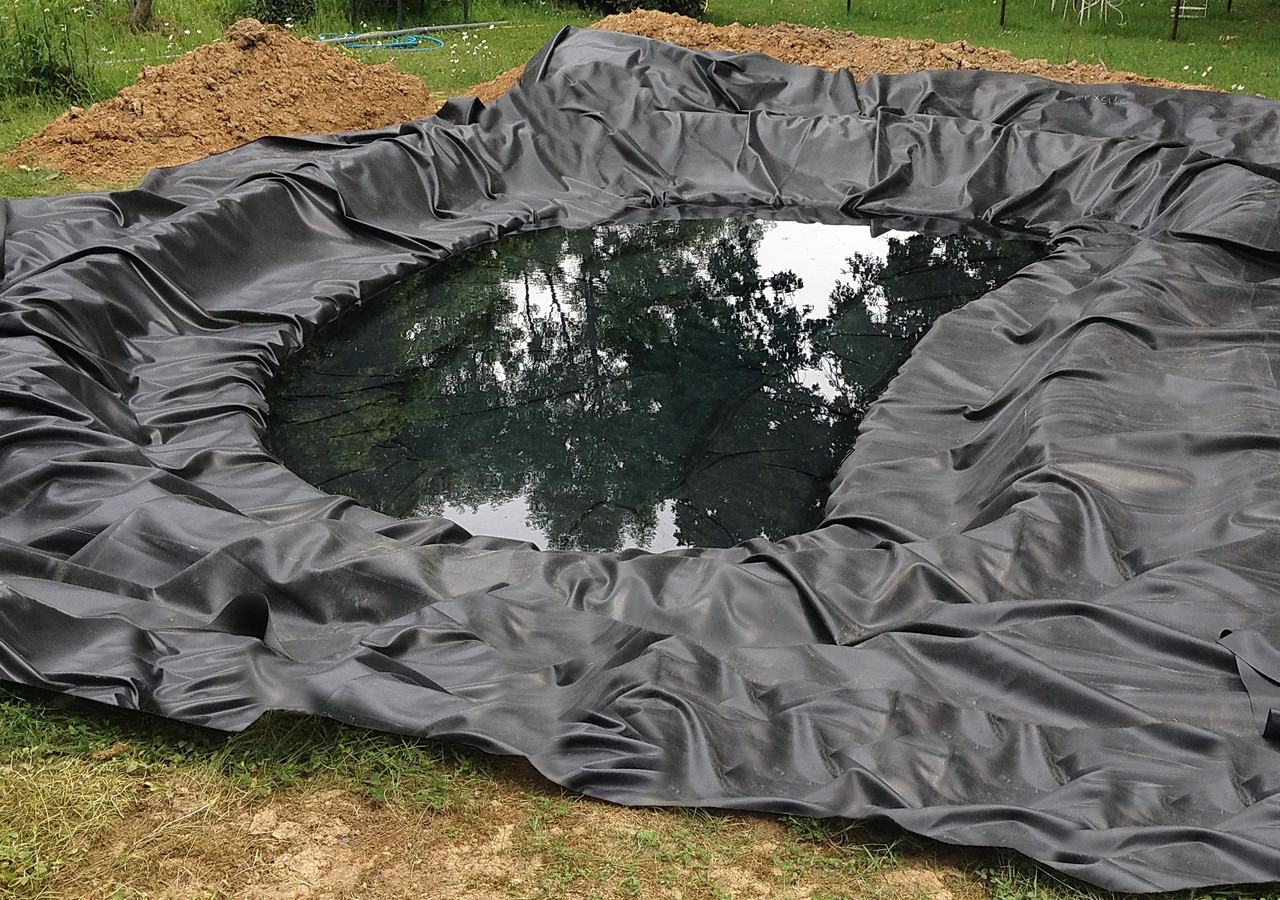
A pond liner is a waterproof membrane placed inside a pond excavation to prevent water from seeping into the ground. It forms the physical boundary between the pond water and the surrounding soil, ensuring the pond holds water at a consistent level.
Pond liners are used in almost all modern pond builds because natural soil alone is rarely watertight. Even clay-based soil can crack or shift over time, leading to leaks. A quality liner provides a reliable, flexible barrier that adapts to ground movement without splitting or tearing.
In addition to holding water, pond liners:
- Support the shape and structure of the pond
- Protect surrounding soil from erosion
- Prevent water loss and instability
- Create a safe environment for aquatic life
Because the liner sits beneath rocks, gravel, plants, and water, it’s not something you want to replace easily. Choosing quality from the beginning avoids major disruption later on.
Problems Caused by Low-Quality Pond Liners
Low-quality pond liners may look similar at first, but they often lack the strength and flexibility needed for long-term use. Over time, exposure to sunlight, temperature changes, and ground movement can cause cheap liners to crack, become brittle, or tear.
Common problems associated with poor-quality liners include:
- Gradual water loss from small leaks
- Sudden liner failure and pond drainage
- Damage from stones or plant roots
- Shortened lifespan requiring early replacement
Replacing a failed liner usually means draining the pond, removing plants and fish, and rebuilding sections of the pond—an expensive and time-consuming process. Investing in a quality pond liner from the start significantly reduces these risks.
Benefits of Using High-Quality Pond Liners
Long-Term Durability and Reliability
One of the biggest advantages of quality pond liners is durability. Premium liners are designed to withstand years of exposure to water pressure, UV light, temperature changes, and natural ground movement.
High-quality liners remain flexible even in cold weather, reducing the risk of cracking. They also resist becoming brittle under prolonged sun exposure, which is essential for ponds with shallow edges or exposed liner sections.
With proper installation, a quality pond liner can last 20 years or more, making it a cost-effective investment over time.
Protection Against Leaks and Water Loss
Leaks are one of the most common and frustrating pond problems. Even a small leak can cause water levels to drop quickly, stressing fish and plants and exposing pumps or filters.
Quality pond liners are manufactured to precise thickness standards, ensuring consistent strength across the entire surface. This reduces the likelihood of weak spots that could lead to leaks.
A reliable liner:
- Maintains stable water levels
- Prevents soil erosion around the pond
- Reduces stress on pond equipment
- Protects surrounding landscaping
By preventing water loss, a good liner helps maintain a balanced and healthy pond ecosystem.
Safety for Fish, Plants, and Wildlife
Not all liners are safe for aquatic life. Low-quality liners may contain chemicals or plasticizers that can leach into the water over time, harming fish and plants.
Quality pond liners are specifically designed to be fish-safe and plant-friendly. They are chemically inert, meaning they won’t release harmful substances into the water. This is especially important for koi ponds, where fish health is a top priority.
Using a quality liner helps create a stable, non-toxic environment where fish, plants, and beneficial bacteria can thrive.
Types of Quality Pond Liners Available
EPDM Rubber Pond Liners
EPDM rubber pond liners are widely regarded as one of the best options available. They are extremely flexible, durable, and resistant to UV rays and temperature changes.
Key benefits of EPDM liners include:
- Excellent flexibility
- Long lifespan
- High resistance to punctures
- Safe for fish and plants
EPDM liners are ideal for ponds of all shapes and sizes, including koi ponds and large water features.
PVC Pond Liners
PVC pond liners are a popular choice for smaller ponds and budget-conscious projects. They are lighter and easier to handle than rubber liners but are generally less durable.
Advantages of PVC liners:
- Lower initial cost
- Lightweight and easy to install
- Suitable for small garden ponds
However, PVC liners may become brittle over time and typically have a shorter lifespan than EPDM liners.
Preformed Rigid Pond Liners
Preformed pond liners are rigid shells molded into specific shapes. They are easy to install but offer limited flexibility in design.
These liners are best suited for:
- Small ponds
- Simple designs
- Beginner projects
While convenient, preformed liners don’t offer the same durability or customization options as flexible liners.
How to Choose the Right Quality Pond Liner
Key Factors to Consider Before Buying
When selecting a pond liner, consider the following:
- Pond size and depth
- Shape and design complexity
- Type of fish and plants
- Exposure to sunlight
- Ground conditions
Choosing the right material and thickness ensures the liner performs well for years to come.
Matching the Liner to Pond Size and Design
Larger and deeper ponds require thicker liners to handle increased water pressure. Complex shapes with shelves and curves benefit from flexible liners like EPDM, which conform easily to the design.
Always allow extra liner material for overlaps and anchoring. Proper sizing and installation are just as important as the quality of the liner itself.